
Wired vs Wireless Intruder Alarms: Pros, Cons & Reliability (UK Guide)
Choosing between a wired and a wireless intruder alarm isn’t just about price — it’s about reliability, installation constraints, and how the system will perform long-term in your property.
In this guide, we’ll break down the real differences in plain English, what each option is best for, and how to make a practical choice for homes and small businesses in the UK. If you’re based in Telford, Shrewsbury or the wider West Midlands, we can also advise after a quick assessment.
Quick answer: If you want maximum long-term stability and you’re happy with some cabling work, wired alarms are usually the most robust choice. If you need a faster install with minimal disruption, wireless can be excellent — provided it’s designed properly and maintained (especially device batteries).
What’s the difference between wired and wireless alarms?
Wired intruder alarms
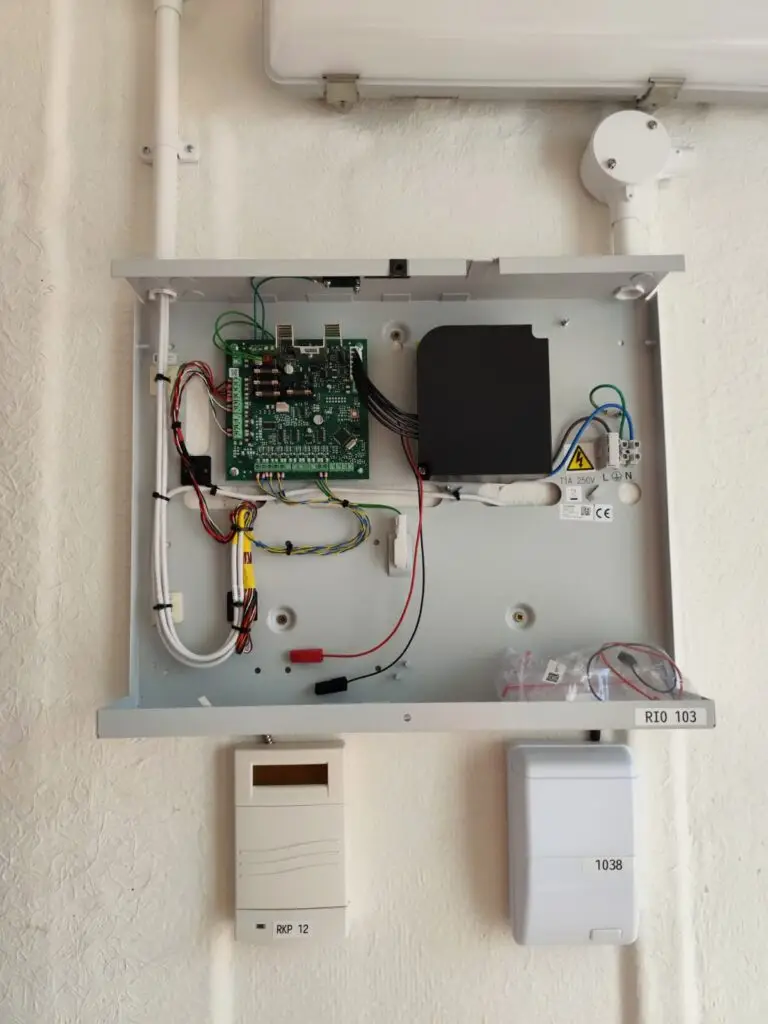
Wired alarms connect detectors, door contacts, keypads and sounders to the control panel using cables. Power and signalling are carried over the wiring.
In practice:
- Very stable communication
- Less dependence on batteries (some devices still have backup batteries)
- Best suited for renovations, new builds, or where cable routes are practical
Wireless intruder alarms
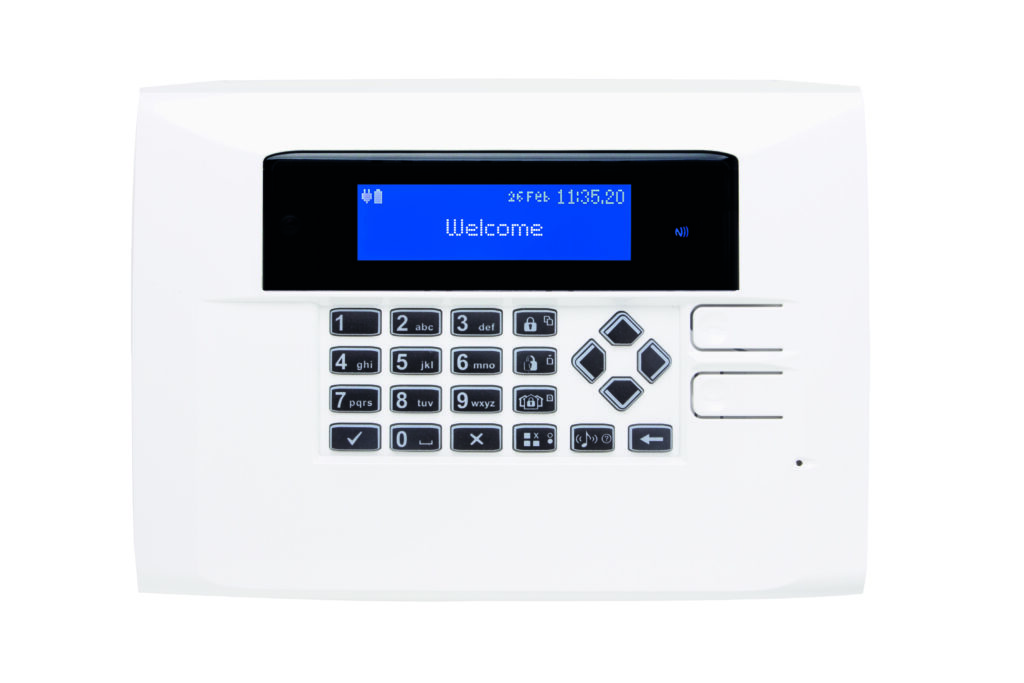
Wireless alarms use radio communication between devices and the control panel (or a receiver). Devices are usually battery-powered, and the panel is mains-powered with battery backup.
In practice:
- Faster installation and less disruption
- Great where cabling is difficult (finished décor, solid walls, restricted routes)
- Requires battery management and good device placement
Reliability: which is more dependable?
Wired reliability
Wired systems are typically the most dependable long-term because communication is physical and consistent. If installed neatly and protected from damage, they tend to “just work” for years with minimal intervention.
Wireless reliability
Wireless can be very reliable when installed correctly, but it depends on:
- Good signal paths (avoiding heavy steel/foil-backed insulation where possible)
- Correct device positioning
- Battery condition
- Avoiding interference sources where practical
Real-world note: Most “wireless reliability issues” come from poor placement, rushed installs, or neglected batteries — not from wireless technology itself.
Installation: disruption and speed
Wired
- Requires cable routes (loft voids, trunking, wall drops, floor voids)
- Can be more labour-intensive
- Best when you can access routes cleanly (renovations, refurb, commercial fit-out)
Wireless
- Minimal cabling (mainly panel power and sometimes external sounder depending on system)
- Faster install
- Ideal for occupied homes, finished interiors, and small businesses that can’t afford disruption
Maintenance: what should you expect?
Wired
- Generally lower day-to-day maintenance
- Periodic inspection/service still recommended
- Faults are usually related to physical damage, ageing components, or poor terminations
Wireless
- Batteries need replacing (device-dependent; frequency varies)
- Regular checks help prevent nuisance faults (low battery, supervision alerts)
- Good planned maintenance reduces false alarms significantly
Tip: If you choose wireless, plan for battery replacement as part of maintenance — it’s normal, not a “fault”.
Security and grading (UK perspective)
For many domestic and small commercial sites, both wired and wireless systems can meet practical needs when correctly designed and configured.
What matters most is:
- Correct coverage (doors, key areas, likely routes)
- Proper arming habits and user training
- Stable power and tamper protection
- Appropriate signalling (if you need monitoring)
If you’re not sure what level you need, start with your risks and usage, not the marketing labels.
For general UK guidance on improving physical security, see Secured by Design.
Common causes of false alarms (and how to avoid them)
False alarms are usually caused by design and placement issues rather than “wired vs wireless”.
Common causes include:
- PIRs aimed at windows with strong sunlight or reflective surfaces
- Detectors placed near heat sources or air movement
- Pets in detection areas without pet-tolerant design
- Poorly fitted door contacts or misalignment
- Low batteries (wireless) or unstable power (any system)
A quick assessment and correct device placement prevents most of these problems.
Which is best for a typical home?
Choose wireless when:
- You want minimal disruption
- You’re in a finished home and cable routes are difficult
- You want a quick install with flexible expansion (adding devices later)
Choose wired when:
- You’re renovating or can run cables neatly
- You want the most robust long-term setup
- You prefer fewer battery-powered devices
Which is best for a small business?
For many small businesses, either solution can work — the decision usually comes down to:
- access to cable routes
- downtime tolerance
- the need for reliable arming procedures and clear fault reporting
If you have multiple doors, staff changes, or want structured access/permissions, it’s often worth considering how the alarm integrates with your operational routine and future expansion.
Can I upgrade or extend an existing system?
Yes, often.
- Wired systems can be extended if routes are available
- Wireless systems can usually be expanded quickly with additional devices
- Some sites benefit from a hybrid approach (wired where practical, wireless where routes are difficult)
Before upgrading, it’s best to confirm the existing panel condition, device compatibility and overall layout.
FAQs
Do wireless alarms work during a power cut?
Yes — the control panel typically has battery backup. Wireless devices are battery powered. The exact duration depends on battery condition and system design.
How often do wireless batteries need replacing?
It depends on the device and usage. Planned maintenance helps identify low batteries early and avoids nuisance faults.
Is a wired alarm always “better”?
Not always. Wired is often more robust long-term, but wireless can be a better solution where cabling is disruptive or impractical.
Can you take over maintenance of an existing alarm?
In many cases, yes. We can assess the system, identify any issues, and advise the best maintenance or upgrade path.
Ready to get started? Contact us to request a quote or speak to an engineer.
If you’re in Telford, Shrewsbury or the wider West Midlands, we can recommend a practical wired or wireless intruder alarm setup based on your property layout and how you want to use the system.
For installation, upgrades or fault finding, get in touch to request a quote or speak to an engineer.