
Maglock vs electric strike is one of the most common access control decisions for UK doors — and the right choice depends on door fundamentals, usage and safety.
If you’re planning access control for a door, two common options for locking hardware are maglocks (magnetic locks) and electric strikes. Both can work well — but the “best” choice depends on the door fundamentals: alignment, closing, latching, frame condition, and how the door is used day-to-day.
This guide explains the practical differences, reliability, common faults, and how to choose the right option for homes and small businesses in the UK. If you’re in Telford, Shrewsbury or the wider West Midlands, we can advise after a quick assessment of your door set and requirements.
Quick answer: If you need a clean, simple solution for many doors and you can ensure correct door closing and a safe release method, maglocks can be a strong choice. If you want a more “mechanical” latch-based solution that often feels more like a standard lock, electric strikes are usually better — provided the door and latch are in good condition.
In this maglock vs electric strike guide, we focus on real-world reliability and door fundamentals.
What is a maglock?
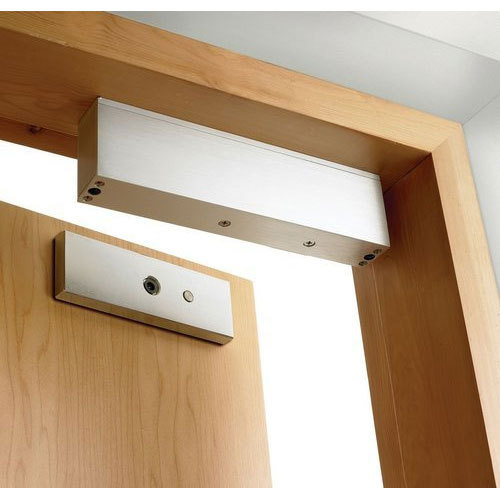
A maglock is a magnetic lock fitted to the door/frame that holds the door closed using magnetic force when powered. It’s commonly paired with:
- an access reader (fob/card)
- a request-to-exit device (button or sensor)
- a safe emergency release method
In practice: maglocks are straightforward, but they rely heavily on door closing and correct fitting to achieve consistent holding force.
What is an electric strike?
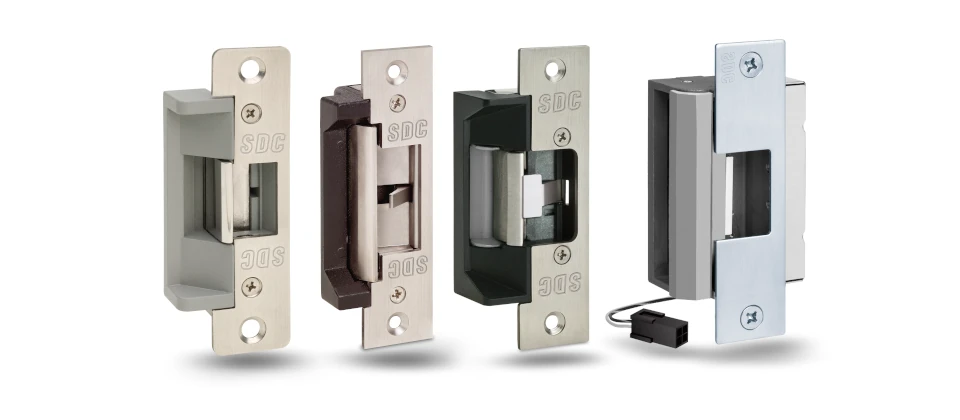
An electric strike is fitted into the door frame and works with a latch (the part of the lock that clicks into the frame). When triggered, the strike releases the latch so the door can be opened.
In practice: strikes feel more like a “normal door lock” because they work with the latch. They usually require good door alignment and correct latch engagement to be reliable.
Door Fundamentals: why the door matters more than the lock
Access control reliability often comes down to door fundamentals, not the reader or the controller.
Key fundamentals that affect performance:
- Alignment: door and frame must align correctly
- Closing: door closer must shut the door fully, every time
- Latching: latch must engage cleanly (for strikes)
- Gaps and warping: excessive gaps reduce maglock performance
- Hinges and wear: sagging doors cause repeat faults
- Fixings and mounting surface: weak fixings lead to movement and misalignment
Real-world note: Many access control “faults” are actually door faults. Fix the door fundamentals and the electronics become stable.
Security and safety: fail-safe vs fail-secure (simple explanation)
Most access control locks are designed around one of these behaviours:
- Fail-safe: unlocks when power is lost
- Fail-secure: stays locked when power is lost
Maglocks are typically fail-safe (power off = unlocked). Electric strikes can be configured either way depending on type/model and requirements.
What matters practically:
- Life safety and fire egress requirements
- Risk level of the door
- Whether the door is an emergency exit
- Whether you need the door to unlock on fire alarm activation (where applicable)
If you’re unsure, the correct choice depends on use case and compliance — not just preference.
For general guidance on physical security, see Secured by Design.
Reliability: which one causes fewer call-outs?
Both can be reliable when installed properly, but the failure modes differ.
Common maglock issues
- Door not closing fully (closer weak, misaligned, wind pressure)
- Poor mounting surface causing movement over time
- Incorrect alignment between magnet and armature plate
- Inadequate power supply or voltage drop
- Missing/incorrect exit method causing user issues
Common electric strike issues
- Latch not engaging properly (alignment, worn latch, door sag)
- Strike not set correctly for latch type/backset
- Frame cut-out too tight/too loose causing binding
- Poor fitting leading to intermittent release
- Door closer speed/force causing latch bounce
Practical rule:
- If your doors are well aligned and latch correctly, electric strikes can be very dependable.
- If doors struggle to latch consistently, a maglock may appear easier — but only if the door closes firmly every time.
Installation complexity: what’s easier?
Maglocks
- Often simpler mechanically (surface mounted)
- Cabling typically straightforward
- Requires correct exit method and safe release design
Electric strikes
- More precise mechanical fitting (cutting into the frame)
- Must match latch type and ensure smooth operation
- Often “set and forget” when fitted properly
Which should you choose? (quick comparison)
| Feature | Maglock | Electric Strike |
|---|---|---|
| Works with latch | No | Yes |
| Depends on door closing | High | Medium–High |
| Mechanical fitting | Usually simpler | More precise/involved |
| Power loss behaviour | Usually fail-safe | Can be fail-safe or fail-secure |
| Common faults | alignment/closing/power | latching/alignment/mechanical fit |
| Best for | controlled doors with good closing | latch doors needing “normal” feel |
Common mistakes (and how to avoid them)
- Choosing hardware before checking door fundamentals
- Weak or incorrect door closer settings
- Poor power supply design (undervoltage, no headroom, poor cabling)
- No proper exit method (or unsafe release arrangement)
- Installing on a door that’s already misaligned/sagging
- Not planning for ongoing maintenance (closers, hinges, alignment)
A short door-by-door assessment prevents most of these issues.
FAQs
Do maglocks damage doors?
Not if installed correctly with proper fixings and alignment. Most issues come from poor mounting surfaces or doors that aren’t closing consistently.
Can I use an electric strike on any door?
Not always. It depends on the existing lock/latch type, frame condition, and whether the door latches consistently.
Which is better for external doors?
It depends on exposure, door condition, and required security. External doors often need careful consideration of closing force, weather effects, and correct hardware choice.
Can access control integrate with fire alarm release?
In some cases, yes — depending on the design and requirements. Always consider life safety and compliant egress arrangements.
FAQ Need help choosing the right access control lock?
If you’re in Telford, Shrewsbury or the wider West Midlands, we can assess your door set and recommend the most practical option — including installation, upgrades, maintenance and fault finding.
Ready to get started? Contact us to request a quote or speak to an engineer.
If you’re unsure, a quick door survey usually confirms whether maglock vs electric strike is the better fit.