
IP vs HD CCTV: Which Is Best for Homes and Small Businesses in the UK?
Choosing CCTV can be confusing because “HD” and “IP” are often used interchangeably in ads. In reality, they’re different technologies with different strengths. This guide explains the practical differences in plain English so you can choose the right system without overpaying.
Quick answer: If you’re starting from scratch and want the best clarity and scalability, choose IP CCTV (PoE/NVR). If you’re upgrading an older system or reusing coax cabling, HD CCTV (DVR/coax) can be a cost-effective option.
For installation or upgrades, see our CCTV Systems service page.
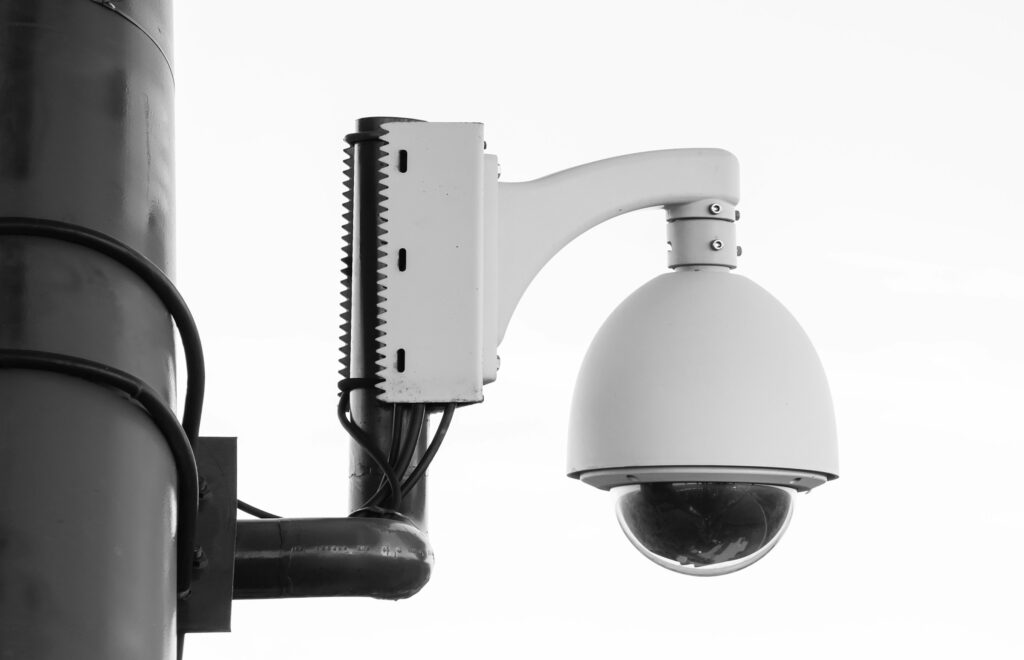
What’s the difference between IP CCTV and HD CCTV?
IP CCTV (Network / NVR)
IP CCTV cameras send video over a network (often PoE — Power over Ethernet) to an NVR (Network Video Recorder). Each camera is a network device with its own digital stream.
Best for: higher detail, easier expansion, modern installs.
HD CCTV (Coax / DVR)
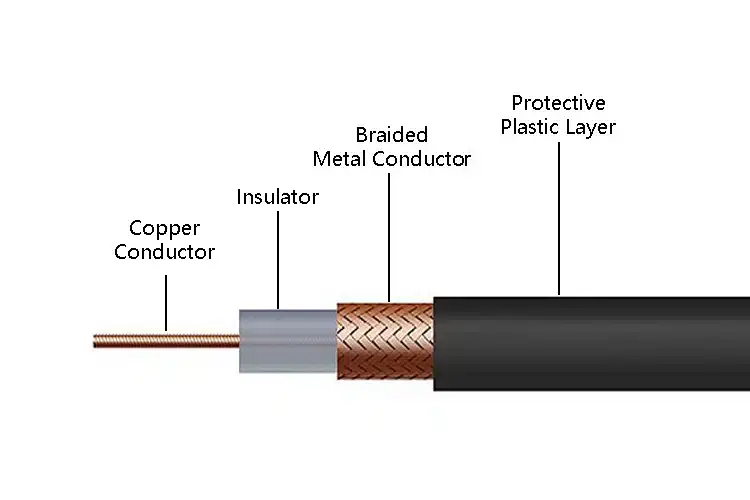
HD CCTV uses coax cabling (commonly HD-TVI / HD-CVI / AHD) recording to a DVR. It’s a traditional cabling approach with modern HD resolutions.
Best for: budget-friendly systems and upgrades where coax already exists.
7 key differences (real-world)
1) Image quality and identification
Both can look good, but IP usually wins when you need usable identification (faces at distance, fine detail). Positioning still matters more than specs.
2) Reliability (wired beats Wi-Fi)
Most dependable CCTV systems are wired (IP PoE or HD coax). Wi-Fi cameras can work, but are more vulnerable to dropouts, router changes and weak signal areas.
3) Cabling and installation
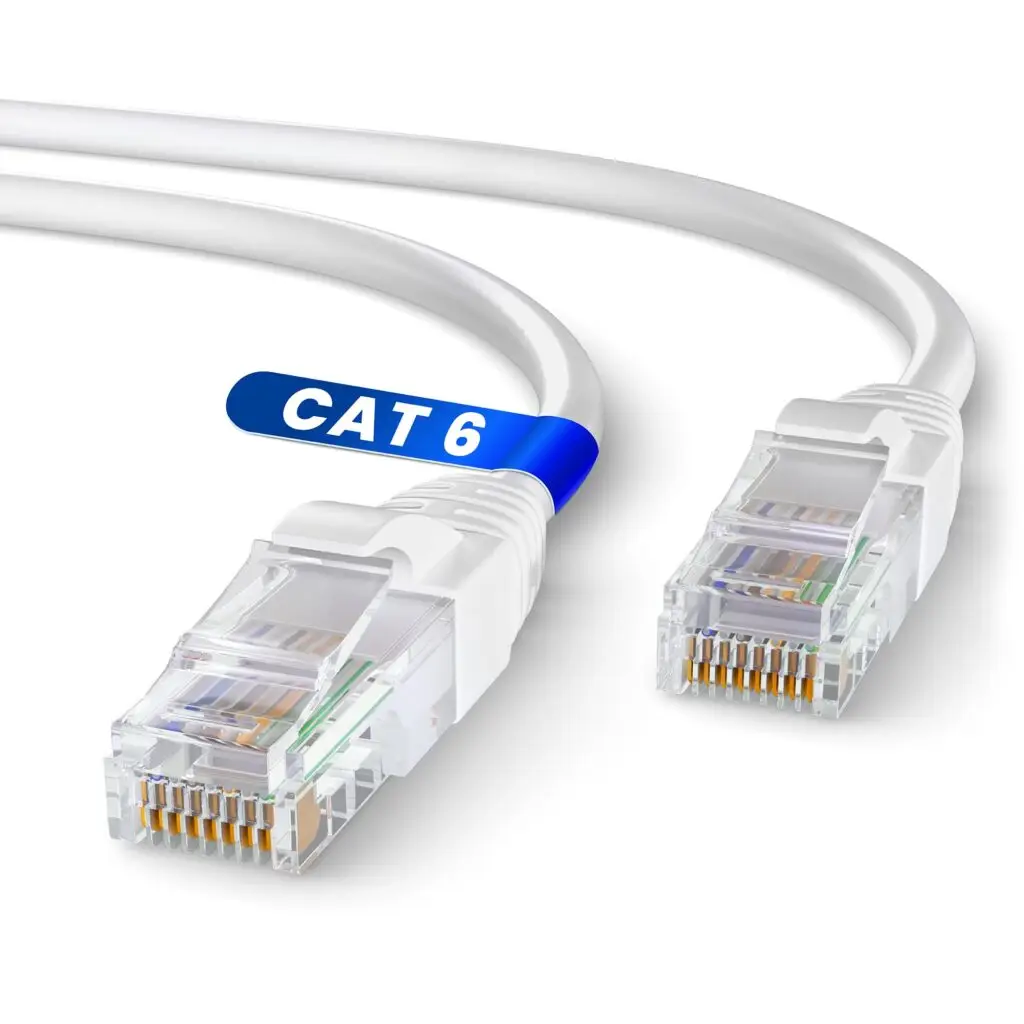
- IP (PoE): Cat5e/Cat6, often one cable for power + data
- HD (coax): coax + power (or combined options), great for reusing existing runs
4) Upgrades and scalability
- IP: generally easier to add cameras and expand (depending on NVR/network capacity)
- HD: solid for fixed small systems, especially as an upgrade path from older coax setups
5) Remote viewing
Both can support mobile viewing if configured correctly. When remote viewing fails later, it’s often due to router changes or incorrect settings, not the cameras themselves.
6) Storage and retention
Retention depends on camera count, resolution, recording settings (motion vs continuous) and hard drive size/health. If you need a target retention period, design around it from the start.
7) Cost and value
HD CCTV can be cheaper upfront. IP CCTV may cost more initially but often delivers better long-term value due to detail and expandability.
Which is best for a home?
- Choose IP CCTV if you want stronger identification, better upgrade options, and a more modern setup.
- Choose HD CCTV if you want reliable coverage at a lower upfront cost, especially for small 2–4 camera systems.
Which is best for a small business?
For most small businesses, IP CCTV is often the stronger option because it scales better and delivers clearer evidence for entrances, stock areas and perimeter coverage. HD CCTV can still be a good fit for simpler sites with tight budgets.
Privacy and responsible use (UK)
CCTV should be installed responsibly, especially if coverage could capture public areas or neighbouring property. For UK guidance on using CCTV appropriately, see the ICO’s CCTV and video surveillance guidance.
FAQs
Do IP cameras work without the internet?
Yes. Recording works locally to the NVR/DVR on site. Internet is only needed for remote viewing and notifications.
Is Wi-Fi CCTV reliable?
It can be, but wired systems (PoE or coax) are usually more stable long-term. Wi-Fi performance depends on signal strength, interference and router changes.
How many cameras do I need?
Most homes use 2–4 cameras. Small businesses often need 4–8+ depending on entrances, blind spots and perimeter coverage.
How long will recordings be kept?
Retention depends on camera count, resolution and settings. Storage can be designed around a target retention period.
Need help choosing the right CCTV system?
If you want a practical recommendation based on your layout and what you actually need to capture, you can also check our FAQs for quick answers, or Contact us to request a quote or speak to an engineer.