
Fire Alarm False Alarms: 9 Common Causes & How to Reduce Them
UK workplace fire safety guidance (GOV.UK)
Fire alarm false alarms (often called unwanted fire signals) are one of the biggest operational headaches for UK sites. They disrupt occupants, waste staff time, can lead to complacency, and in some cases may trigger call-out charges or unwanted Fire & Rescue attendance depending on setup and local arrangements.
This guide covers 9 common causes of false alarms and practical steps you can take to reduce them — without compromising safety.
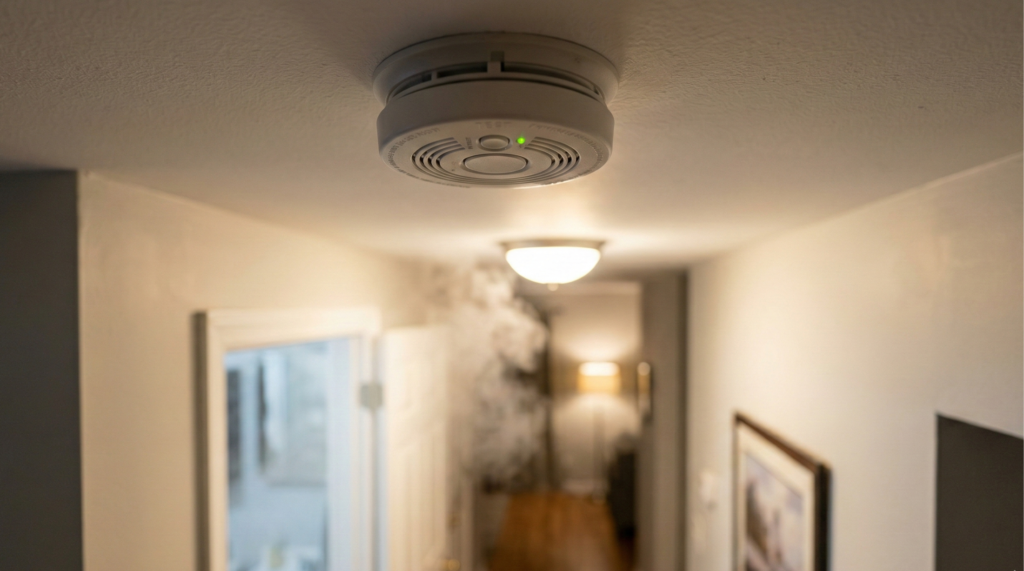
What counts as a “false alarm”?
A false alarm is when the system activates (or sends a fire signal) without a real fire. Common triggers include steam, aerosols, dust, or poor detector placement.
Key point: If false alarms keep happening, people start ignoring alarms — and that’s when risk increases.
9 common causes of fire alarm false alarms (UK) – and how to fix them
1) Steam from bathrooms and showers
Why it happens: Steam looks like smoke to optical smoke detectors.
How to reduce it:
- Use a heat detector in nearby areas where appropriate (design-dependent)
- Improve ventilation / extractor performance
- Check detector placement and distance from bathroom doors
2) Cooking fumes (toasters, grills, microwaves)
Why it happens: Aerosols and cooking particles trigger smoke detectors.
How to reduce it:
- Consider detector type/placement (often heat is better in kitchen environments)
- Keep doors closed if design expects it
- Improve extraction and keep filters maintained
3) Aerosols (deodorant, hair spray, cleaning sprays)
Why it happens: Aerosols can rapidly trigger smoke sensors.
How to reduce it:
- Put signage in sensitive areas (staff toilets, changing rooms)
- Move detection away from routine aerosol use locations (within design rules)
- Use suitable detector type for the environment
4) Dust from building works (ceilings, drilling, sanding)
Why it happens: Dust enters detectors and causes alarms or long-term contamination.
How to reduce it:
- Plan works properly: temporary isolation/disablement must be controlled and logged
- Use dust caps only where permitted and remove them immediately after works
- Post-works: clean area and consider detector inspection/cleaning
5) Insects and contamination inside detectors
Why it happens: Insects/dirt interfere with sensor chambers.
How to reduce it:
- Ensure regular servicing and targeted cleaning where needed
- Address building maintenance issues (gaps, pest control, light sources attracting insects)
6) Poor detector placement (too close to doors/vents or wrong room)
Why it happens: Air movement pushes steam/dust directly into the sensor.
How to reduce it:
- Review placement near bathroom doors, kitchen doors, extract vents, supply air vents
- Re-site devices in line with design guidance (done by competent person)
7) Wrong detector type for the risk/environment
Why it happens: A smoke detector in a steamy area will false alarm.
How to reduce it:
- Reassess detector type (smoke vs heat vs multisensor) based on environment and fire strategy
- Avoid “quick swaps” without understanding the cause and design intent
8) Manual call point (MCP) misuse or accidental activation
Why it happens: Pranks, knocks, trolleys, door swing impacts.
How to reduce it:
- Fit suitable protective covers where appropriate
- Review positioning (high-traffic pinch points)
- Improve signage and staff awareness
9) System issues that look like false alarms (intermittent faults)
Why it happens: Some systems present intermittent device issues that lead to unwanted activations.
How to reduce it:
- Check event logs: repeat device activations often point to a specific detector
- Arrange fault-finding if patterns repeat in the same zone/device
A practical “reduce false alarms” checklist (site level)
- Review the event log: where and when do activations occur?
- Confirm any disablements are controlled, time-limited, and logged
- Check ventilation in bathrooms/kitchens
- Identify recent works that may have introduced dust
- Book servicing if devices are contaminated or ageing
- Consider a competent review of device type/placement (don’t guess)
FAQs
What is the most common cause of false fire alarms?
In many buildings it’s steam (bathrooms/showers) and cooking fumes, especially where smoke detectors are too close to doors or ventilation paths.
Should I replace a smoke detector with a heat detector to stop false alarms?
Sometimes heat detection is more suitable in certain environments, but changes must align with the building’s fire strategy and system design. A competent assessment is the right approach.
Can I disable a zone to stop repeated false alarms?
Only as a controlled, temporary measure with proper logging and compensating arrangements where required. Disablements should never become “normal”.
Do false alarms mean my system is faulty?
Not always. Many are caused by environmental triggers (steam, aerosols, dust). However, repeated activations from the same device can indicate contamination, incorrect siting, or a device problem.
How can I reduce false alarms during building works?
Plan isolations properly, control and log any disablements, limit dust exposure, and arrange post-works checks/cleaning where appropriate.
Contact us
Need help reducing false alarms on your site?
If you’re dealing with repeated unwanted activations, we can help identify the cause and reduce false alarms without compromising safety. VMT Solutions Ltd provides professional fire alarm maintenance and fault-finding support across Telford, Shropshire and the wider West Midlands.
Book a visit:
- Call: 07955 220516
- Email: [email protected]
- Contact form
If you can, share the panel event log details (or photos of the activation history) — it helps us spot patterns and arrive prepared.