
CCTV Camera Positioning: 9 Common Mistakes (UK Guide)
Good CCTV isn’t just about buying “better cameras”. In real installations, the biggest difference comes from camera positioning — the angle, height, coverage area, lighting, and what you’re actually trying to capture.
This guide explains the most common CCTV camera positioning mistakes we see in the UK, how to avoid them, and what to consider before you fix cameras in place. If you’re in Telford, Shrewsbury or the wider West Midlands, we can recommend a practical setup based on your property layout.
Quick answer: For most homes and small businesses, prioritise faces at entry points, clear coverage of approach routes, and stable night performance. One well-positioned camera is often more valuable than three poorly positioned ones.
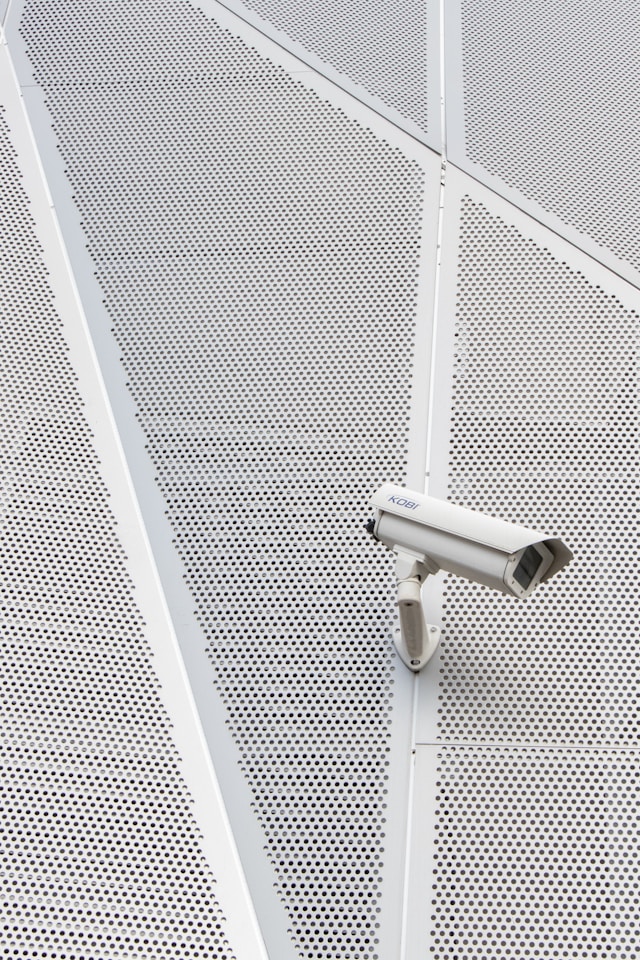
What is CCTV camera positioning (and why it matters)?
CCTV camera positioning is the practical design of your coverage: where cameras go, what they see, and whether the image is usable when you need evidence. The goal isn’t “more footage” — it’s usable identification and reliable coverage.
9 common CCTV camera positioning mistakes
1) Mounting cameras too high
High mounting can reduce tampering, but it often produces an angle where faces become unclear. If your goal is identification, you need a balance: high enough for protection, low enough for usable detail.
Better approach: position for clear facial detail at key points (front door, main entrance routes), then add higher “overview” cameras if needed.
2) Pointing directly into bright light
Cameras aimed into strong daylight, vehicle headlights, or bright security lights often create glare and washed-out footage.
Better approach: avoid direct light sources in the field of view. Where unavoidable, choose angles that reduce glare and use appropriate lighting placement.
3) Ignoring night performance (IR reflections and hotspots)
At night, some cameras can reflect off nearby surfaces (walls, soffits, guttering), creating IR “hotspots” and reducing usable detail.
Better approach: allow space around the lens, avoid pointing too close to walls, and test night footage before finalising the mount.
4) Covering the wrong area (missing the approach route)
Many systems focus on the property itself but miss the approach route — the path someone takes to reach the door, gate, or side access.
Better approach: cover approach routes and choke points (driveways, paths, alleyways, side gates), not just the door.
5) Too wide an angle (great coverage, poor identification)
Ultra-wide coverage can look impressive, but faces and number plates often become too small to identify.
Better approach: use a mix:
- one camera for overview
- one camera for identification at key points
6) Putting cameras where they’ll constantly trigger false motion alerts
Moving trees, busy roads, reflections, and pets can cause constant notifications and reduce confidence in the system.
Better approach: position cameras away from unnecessary movement zones and adjust detection zones sensibly.
7) Poor height and angle for doorbell/entrance identification
A camera that sees the top of someone’s head is not evidence-friendly.
Better approach: position a dedicated entrance camera at a usable angle for face capture. If possible, aim for consistent “face-height” viewing.
8) Not planning cable routes and weatherproof terminations
Even a perfectly positioned camera can fail due to water ingress, poor joints, or exposed cabling.
Better approach: plan neat cable routes, proper external terminations, and weatherproof fittings. Reliability is part of positioning.
9) Forgetting privacy considerations
Capturing neighbours’ private spaces or public areas unnecessarily can create complaints and require repositioning later.
Better approach: position cameras to focus on your own property and use privacy masking where supported.
For UK guidance on using CCTV responsibly, see the ICO’s CCTV and video surveillance guidance.
Practical CCTV positioning priorities (what to do first)
If you’re unsure where to start, prioritise:
- Main entrances (front/rear doors)
- Approach routes (driveway/path/side access)
- Perimeter weak points (gates, alleyways, rear access)
- Assets (garages, outbuildings, high-value storage areas)
How many cameras do you actually need?
Most homes are well covered with 2–4 cameras if positioned properly. Small businesses often need 4–8+ depending on entrances, stock areas and perimeter.
The right number comes from layout and risk — not a “standard package”.
FAQs
What height should CCTV cameras be installed at?
It depends on the view and tamper risk. Too high can reduce identification. A balanced height and angle is usually best, with a dedicated entrance camera for facial detail.
Can I position cameras myself and have you set up the system?
In many cases, yes. But we recommend confirming angles and night performance before final mounting to avoid unusable footage.
Why is my night footage poor even with good cameras?
Often due to glare, IR reflections, poor angle, or lighting placement. Small changes in positioning can make a big difference.
Do I need a dedicated camera for number plates?
If plate capture is important, yes — it usually requires a specific angle, distance, and settings. General “overview cameras” rarely capture plates consistently.
Need help optimising your CCTV coverage?
If you’re in Telford, Shrewsbury or the wider West Midlands, we can assess your layout and recommend camera positioning that delivers usable evidence — not just footage.
Ready to get started? Contact us to request a quote or speak to an engineer.